

What is Japanese Yuzu? A Yuzu & Gin Cocktail Recipe

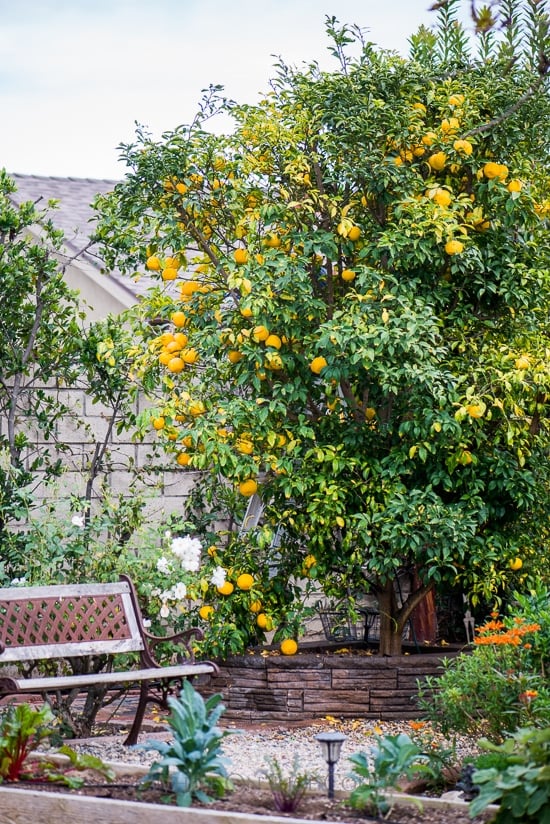
This yuzu and gin cocktail recipe was one of our first recipe posts back in 2009. It’s fun to see how our photography and yuzu tree has changed over the years! Our yuzu tree was brimming with fruit this year and we’ve been enjoying this yummy cocktail on a regular basis.

What is Yuzu?
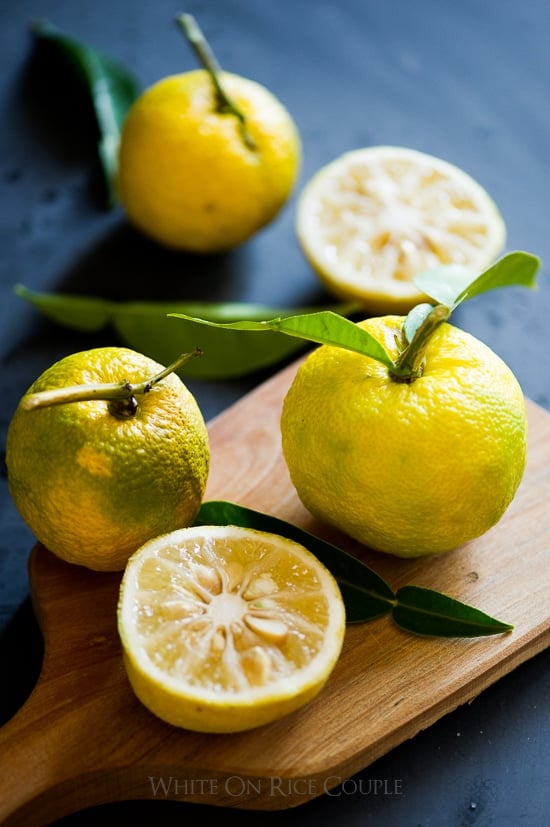
Don’t feel bad if you have never heard of this beautiful little citrus, since outside of a few Asian cuisines and particularly in Japanese cultural circles it is seldom grown or used. We’re here to tell you that yuzu is pure culinary gold. Yuzu is a citrus that isn’t eaten straight, but is used as a souring ingredient through the use of it’s juice and zest. It’s hugely popular to serve with seafood. Yuzu juice is prized for it’s ability to stay sour and fragrant when cooked at high temperatures.
What Does Yuzu Taste Like?
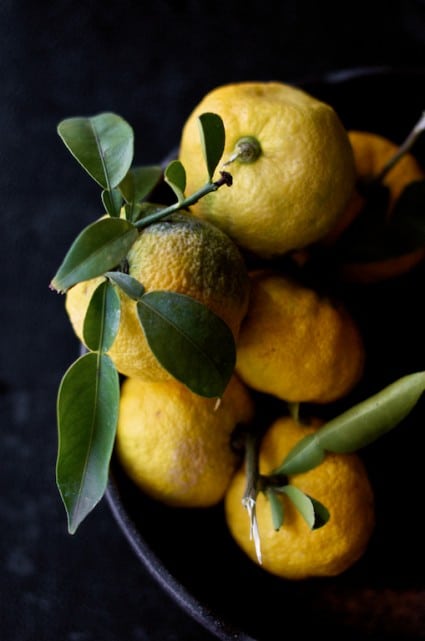
Yuzu is a sour, tart and very fragrant citrus, slightly smaller than a billiard ball. The flavor is reminicent somewhere between a classic Eureka lemon and an oro blanco grapefruit, but still has its own unique fragrance and flavor. It is a bit more floral and sour and utterly wonderful. It smells so good the Japanese will use yuzu for perfumes and will ritualistically bath in yuzu during Toji (winter solstice). The juice is fantastic in our yuzu cocktail recipe. Read all about yuzu citrus on our yuzu info page here.
Video: How to Make Yuzu Gin Cocktail
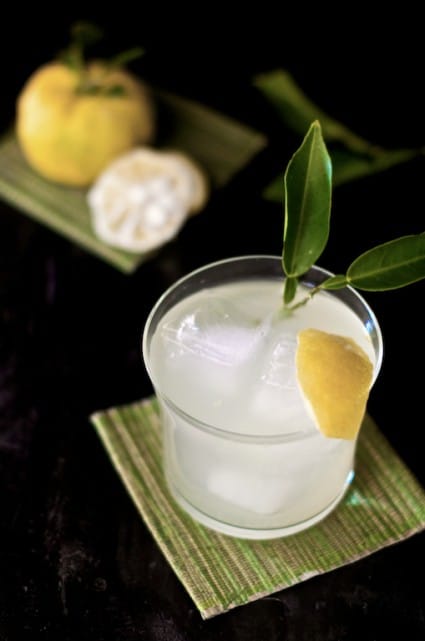
Yuzu Cocktail Recipe
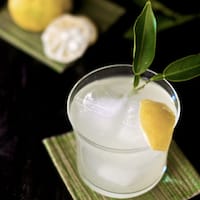
Diane had requested yuzu recipe ideas from readers and there were several fantastic ideas, however I already knew how I wanted to use our first born yuzu. A cocktail, of course. We kept the ingredients simple so the yuzu could be highlighted and not overwhelmed by the alcohol and since there isn’t much juice per yuzu, but the rind is so aromatic, we added some of the yuzu rind into the shaker in order to get the most out of it. The result: pure deliciousness. There will be upcoming recipes featuring the yuzu, but for now we raise our glasses and toast to one of our favorite lumpy garden orbs: Yuzu! Hope you enjoy this yuzu cocktail recipe.
Yuzu & Gin Cocktail
Ingredients
- 1 whole Yuzu (or @ 1 1/2 Tablespoons (3/4 oz. – 22ml) yuzu juice)
- 2 ounces (60 ml) Gin (preferably Hendricks or Tanqueray Rangpur or similar)
- 1/2 ounce (15 ml) Simple Syrup , or to taste
- dash of orange bitters , optional
- 2 ounces (60 ml) club soda
Instructions
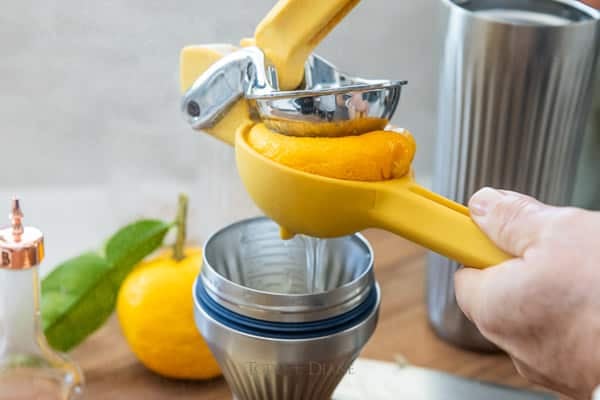
- Squeeze the yuzu directly into the cocktail shaker (helps capture the most oils from the zest). Add a 1/4 of the squeezed rind into the shaker. Add the gin, simple syrup, and optional bitters to the cocktail shaker.

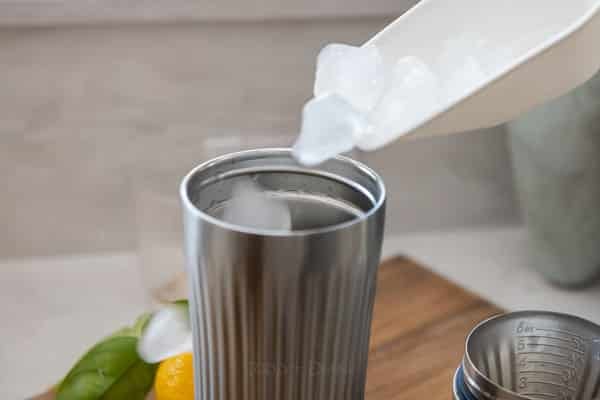
- Add ice & shake for vigorously 15-20 seconds.
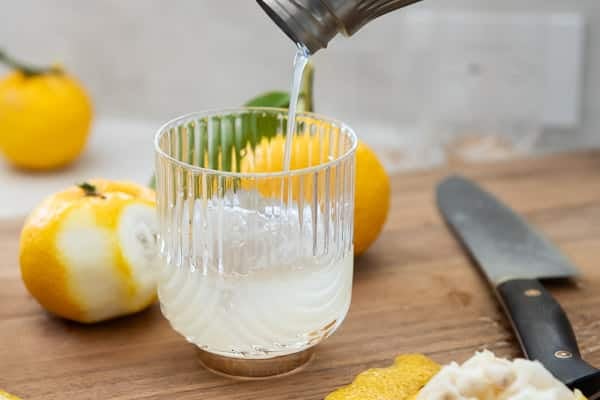
- Put ice into an old-fashioned or similar glass. Strain the cocktail over the ice.
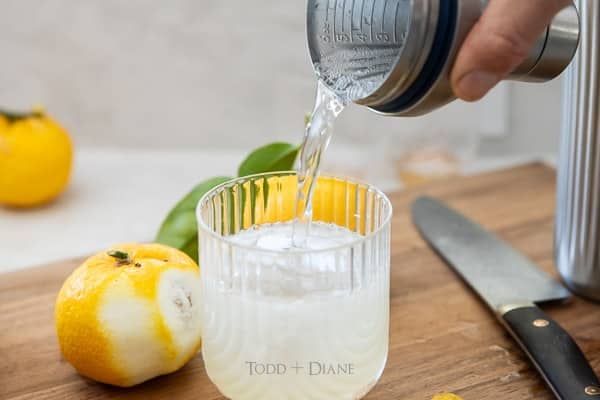
- Top with the club soda. Gently stir and garnish if desired.
Video
Nutrition Information per Serving
Using Bottled Yuzu Juice
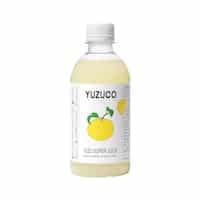
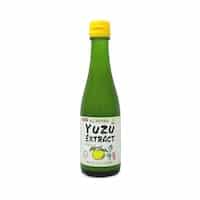
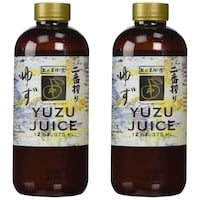
We’re very lucky to have a flouring yuzu tree, but we know this is very rare. So getting your hands on fresh yuzu is difficult but there’s always the option of using bottle yuzu juice. There’s plenty of options on the market and this is a great alternative so that you can cook and drink with yuzu all year long.
Cocktail Favs


Learn More about Japanese Lemons: Yuzu & Kabosu:
- What is Yuzu? Why is Yuzu so prized?
What is Kabosu? differences between Kabosu and Yuzu
Refreshing Yuzu Sherbert Recipe
Our Sauteed Peas with Yuzu Kosho Recipe
Check out our Cocktail Recipes Here
- our Complete Whiskey Guide.
- Holiday drinks and appetizers
- White Lady Classic Cocktail
- Kiwi Margarita
- Here’s more yuzu recipes to try.
- this recipe was originally published and photographed in 2009 and was last updated in 2024.






It was a great drink. I used Hendricks Lunar in my drink.
Thanks! So glad you liked it.
Excited it is yuzu season again for us here. We love all the Hendricks line, but haven’t had a chance to try the Lunar yet. It may have to be our next gin grab!
Wow, what a great cocktail. Absolutely refreshing.
Hi guys,
Casual fan here. Made some of your chicken wing recipes way back when. Found this looking for good yuzu recipes. It was good. Three comments:
I used an ounce of Monin yuzu puree instead of your suggestions. It’s weird, but the easiest way to get yuzu is in puree form these days.
I skipped the vanilla extract. Never missed it.
The orange bitters didn’t add anything either. Subbed them out for grapefruit bitters to good results. But really the drink worked best with no bitters at all.
I forwarded a link to this recipe to a drink web site too. Don’t know if they’ll use it but it can’t hurt.
Good recipe overall. Nice flavor combo with gin. Keep up the good work.
Hi Jan, Thanks for reaching out and we appreciate your readership over the years. Also, thanks for all the great insight and for sharing!