

Beef Sukiyaki and Japanese Hot Pots


This Japanese hot pot recipe, or nabe, are the perfect dish this time of year. They’re quick, easy, and warm one-pot meals. We’ve been trying to catch up on our unarchived photos and after going through our recent Japan trip photographs. We were craving some Japanese deliciousness, and quick. What better way, than with some warm, comforting Japanese home food, Nabe, or hot pot. This version we’re sharing today is a Beef Sukiyaki recipe.
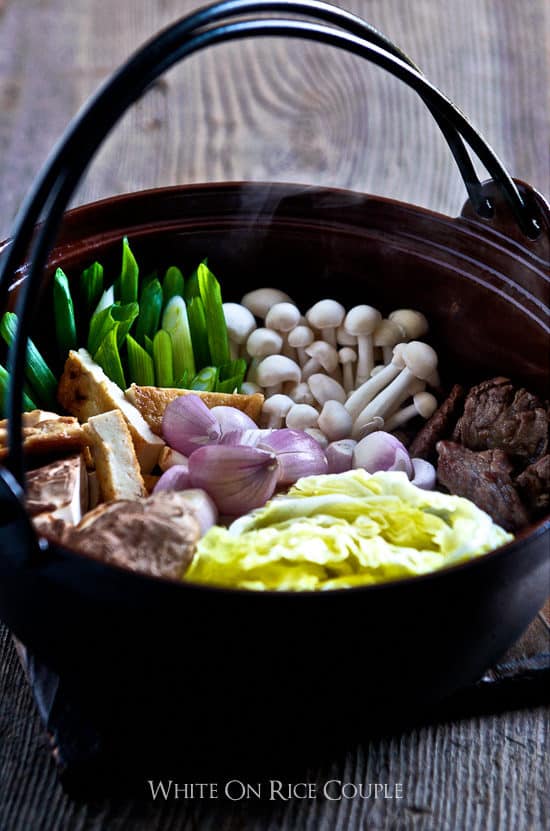
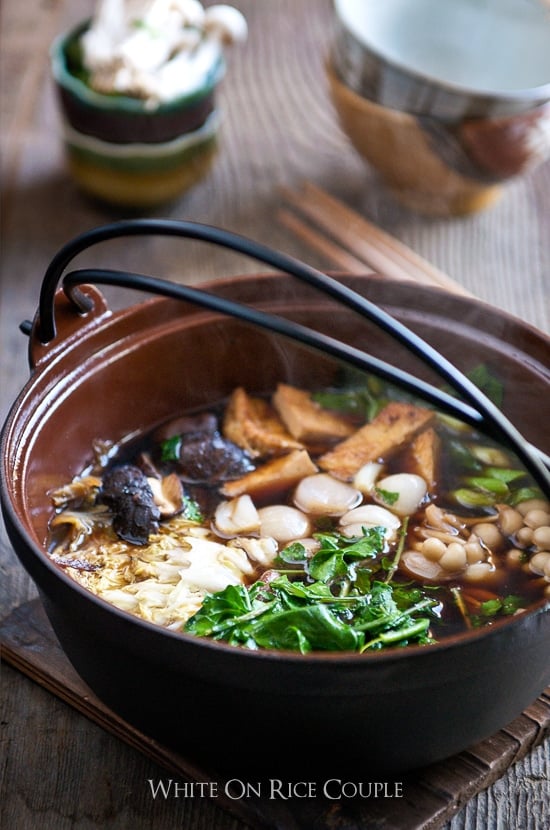
What is Nabe or Hot Pot?
Nabe is quintessential Japanese home cooking. It’s a one pot dish that simmers different types of meat or vegetables in any combination. The hot pot is usually simmered on top of a portable cooking stove and placed in the middle of the table. The cuts of meat are sliced paper thin and raw. The veggies are cut into smaller pieces, then you will quickly poach the meats in a delicate broth.
This meal is warm comforting, delicious, simple and satisfying. They are the type of dishes which comes from the heart and soul of the Japanese. Shabu-shabu is one form of nabe, but there is so much more to Japanese hot pots than shabu-shabu. In restaurants here in the US, most people’s experience eating Japanese hot pots are at a Shabu-Shabu restaurant. You might consider shabu-shabu one of the more refined versions of nabe, where the flavors are often delicate and subtle.
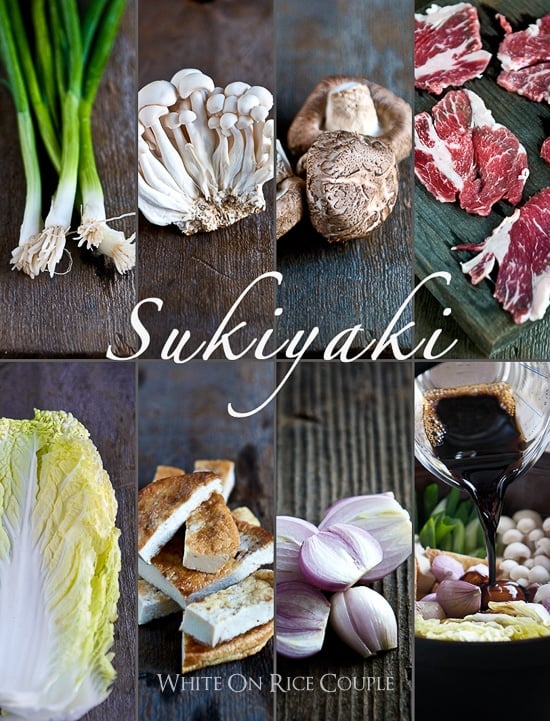
Video: Watch Us Making Beef Sukiyaki
One Pot Beef Sukiyaki Recipe
This Beef sukiyaki Japanese hot pot recipe is inspired from a great cookbook called Japanese Hot Pots. For those uninitiated to the pleasures of Japanese Hot Pots, they are essentially one-pot meals where the ingredients are all poached in a broth. After cooking, that pot then becomes the serving vessel upon which everyone gathers and shares. For us it is the ultimate way to eat. It’s wonderful to sit down at a table together to cook and share this delicious comforting meal.
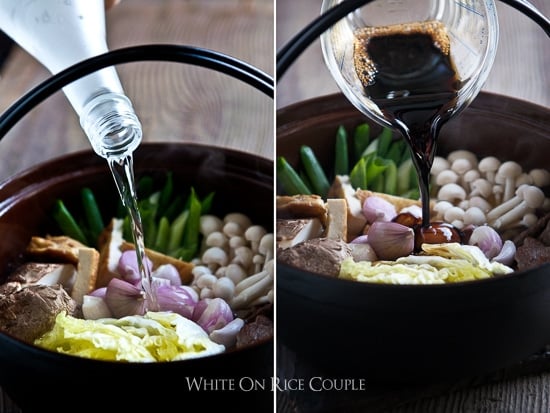
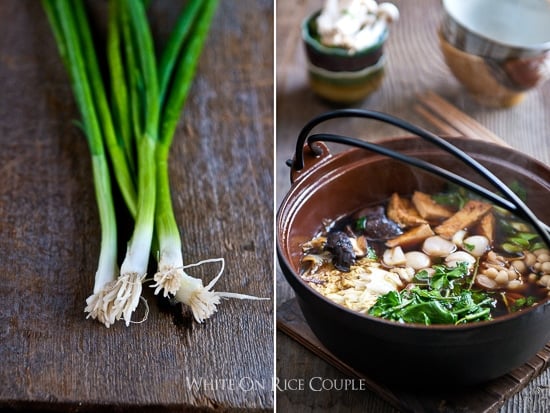
How to Make Beef Sukiyaki Japanese Hot Pot
The Japanese hot pots share a simple and easy formula.
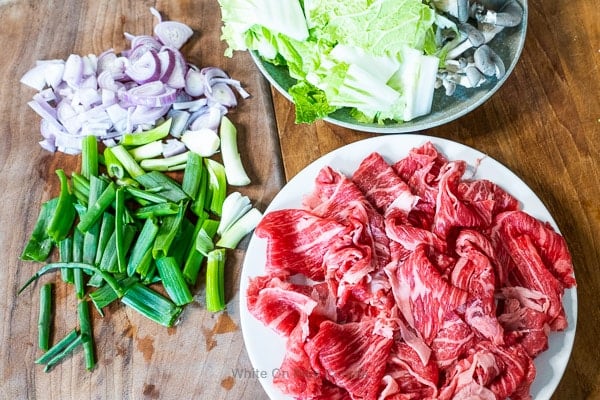
- Prep the ingredients: cut the vegetables into bite sized pieces. Place all your sliced meats on a plate.
- Make the broth (most nabe broths are quick to make ), neatly assemble the ingredients on a plate then set aside. The often use dashi, a classic Japanese soup stock. If you want to make your own dashi, here’s great guide. However we usually just use Hondashi, a dashi soup stock powder. Just dissolve a little in some water and you are ready to go.
- Sear some of the meat or vegetables in the hot pot. Eat with your rice or noodles.
- Add the broth and bring to a low simmer. Dip remaining meat or vegetables in the hot broth to cook as you eat.
- As the broth becomes more flavorful from the dipped or poached meat, ladle the broth into your bowl and enjoy.
- The cooked ingredients are communally eaten, then the remaining broth is often consumed with a comforting and filling shime or “finish”, often cooked rice or noodles.
- Like most any culture’s home cooking, the ingredients are nourishing and economical. Plus, this being Japanese cuisine, you are nearly always guaranteed extra depth of flavor from an ingredient which will provide an umami element into the nabe. Most times this will be in the broth, which frequently are miso, kombu, or soy based.
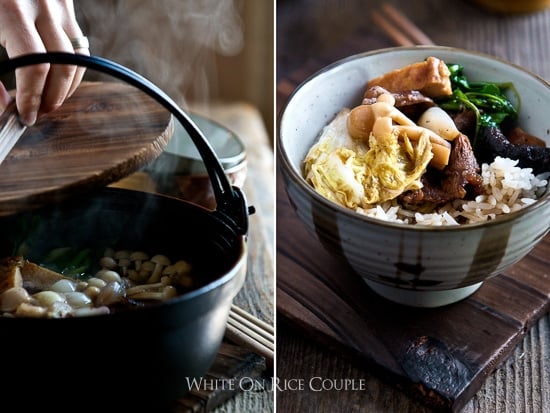
What is Sukiyaki?
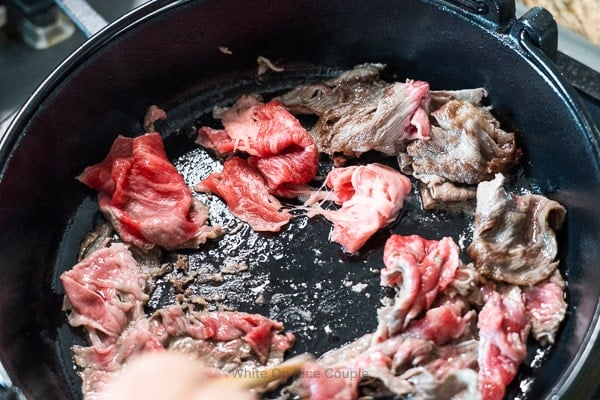
Sukiyaki is type of nabe (Japanese hot pot) where deliciously thin sliced beef or vegetables are quickly seared first in the pot. Then a broth of sake, soy sauce and sugar are poured into the hotpot and simmered on low heat. The richness of the beef, highlighted by the sweetness of the sugar combined with a bit of savory umami from the soy sauce and a bit of a punch from the sake, make this is an utter delicious hot pot. The cooked veggies and meats are eaten with rice and the flavorful broth is poured over the rice.
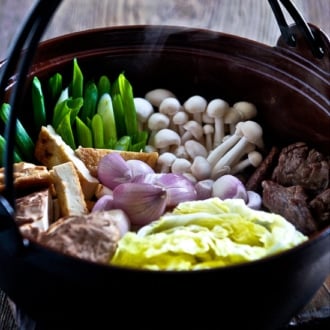
Beef Sukiyaki Hot Pot (Nabe)
Ingredients
For Sukiyaki Broth
Sukiyaki Ingredients
- 1 Tablespoon (15 ml) Vegetable Oil , or beef fat trimmings
- 12 oz. (340 g) Beef Tri Tip, Strip Loin, or Rib Eye , sliced 1/8″ thick *see note 1 below
- 1/2 cup (120 ml) quartered Shallots, sliced sweet onions, or pearl onions
- 8 Napa Cabbage leaves , sliced *see note 2 below
- 4 Green Onions or 1 Negi (Japanese Leek) , sliced on angle in 2" pieces
- 12 ounces (340 g) fresh Mushrooms , one or more of Shiitake, Enoki, Brown Mushrooms, Oyster, etc…)
- 6 ounces (170 g) (about 1/2 package) Broiled Tofu , cut into 1/2″ sticks
- 7 ounces (198 g) Ito Konnyaku noodles, shirataki, yam, or cellophane noodles , cooked if needed, drained & rinsed
- 2 cups (60 g) Shungiku (a type of chrysanthemum leaf), Spinach, or Arugula
Shime – stuff to eat with the sukiyaki and to finish off the broth
- cooked short grain rice
- optional- 1 egg for each person , beaten
Equipment
- Nabe Pot optional
Instructions
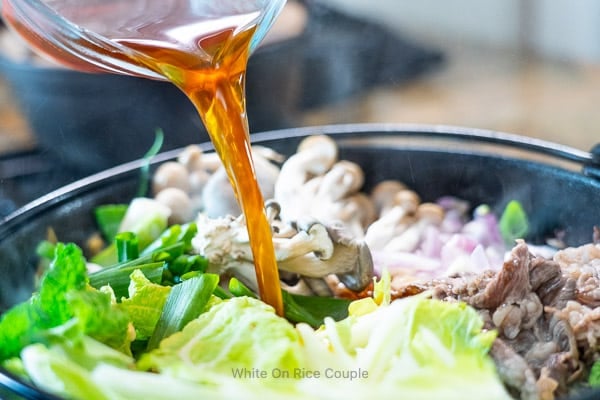
- Make the sukiyaki broth. Combine the dashi, soy sauce, sake, and sugar. Mix to dissolve the sugar. Set aside.

- Prep all the sukiyaki ingredients and set aside.
- In a 4 1/2 – 5 qt. pot (preferably an enameled cast iron, but use what you've got) warm pan over medium heat and add oil or beef fat trimmings. Render fat (if using) for a minute or so, then add beef slices. Brown the beef and then gather to one side of the pan.
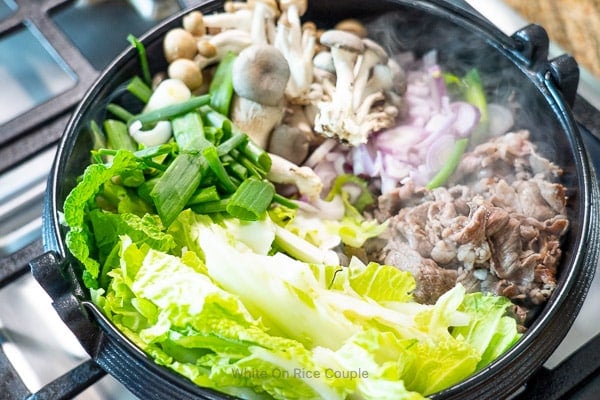
- Arrange shallots or onion, cabbage, green onions, mushrooms, tofu, and noodles into neat clusters in the pan.
- Add the sukiyaki broth, then simmer for 10 minutes.
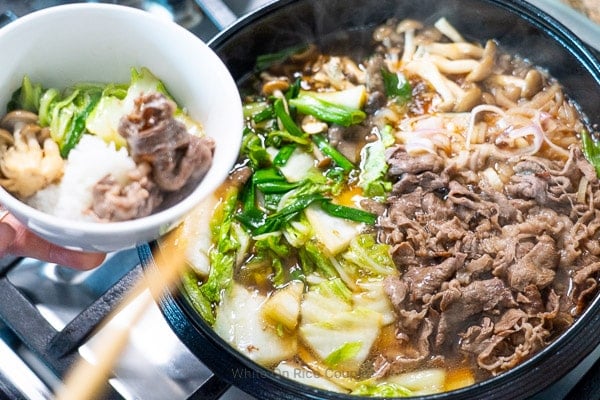
- Add Shungiko, spinach, or arugula leaves on top of everything, then cook for 1 minute more. Serve in the pot you cooked it in. One optional way to enjoy this nabe, is to crack and beat an egg in a bowl for each person. As they eat, they can dip each cooked ingredient into the egg, then consume. Eat through all the goodies in the pan, then add the remaining broth into bowls with rice to finish off all of the delicious broth.

Notes
Video
Nutrition Information per Serving
Favorite Tools for Japanese Hot Pot and This Beef Sukiyaki Recipe:
It can sometimes be hard to find good hot pot ingredients and tools. Here’s some of the favorites:
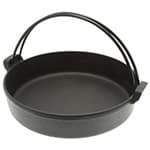
Made in Japan, this is a perfect sukiyaki pan for 4-6 people. This sukiyaki pan is made by Iwachu, one of the finest manufacturers of Japanese ironware.
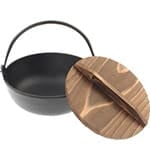
Made in Japan with a Cypress wood lid, this is a perfect sukiyaki pan for 2-3 people. Also made by Iwachu.
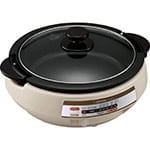
A great tabletop cooking electric skillet for this Japanese hot pot recipe. Perfect for sukiyaki and other hot pots. Let everyone at the table get in on the cooking action.

The recipes are fantastic. Even more prevalent in the book is their love for nabe, a truly special cuisine from the hearts and home kitchens of Japan.
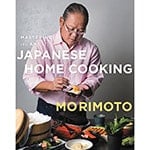
From one of the Iron Chef masters, Morimoto makes Japanese cuisine accessible. Bringing to life the beautifully simple and flavorful home cooking of Japan.
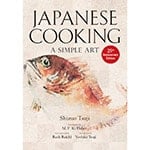
Japanese Cooking: A Simple Art changed the way the culinary world viewed Japanese cooking, moving it from obscure ethnic food to haute cuisine, bringing the Japanese kitchen within the reach of Western cooks.
- Read more about Japanese cuisine and hot pots at The Japanese Food Report .
- Somen noodles with sweet soy ginger sauce recipe from Takashi’s noodles , another book by Harris Salat
More Easy Recipes:
- Grilled tomato lollipop toasts
- Easy No churn caramel ice cream
- Zucchini and ricotta tartines
- kale bacon and white bean salad
- Chicken and broccoli stir fry
- Easy Beef Stew Recipe in Slow Cooker or Instant Pot
- This recipe was originally published in 2010 and re-published in 2023 with a new video.




Just absolutely excellent.
Thanks so much! Glad you enjoyed the sukiyaki.
Looks delicious and great for winter nights!
It’s been really cold lately and I’ve been looking for a hot pot recipe. I’m so glad I came across this recipe. It’s so good.
first, the recipes are done very well. very easy to follow. i am encouraged to try this dish. i asked santa for a donabe pot for christmas and he didn’t disappoint. gotta figure it out sometime, right? next, i really like your cute little videos. i watched one through and your very good at showing technique not just recipe.
i found you just in the nick of time as it’s turning quite cold here. this will definitely ‘warm for the soul’.
thanks and i’ll be back.